
When opportunity knocked, we answered—by expanding the Women’s Agribusiness Collective.
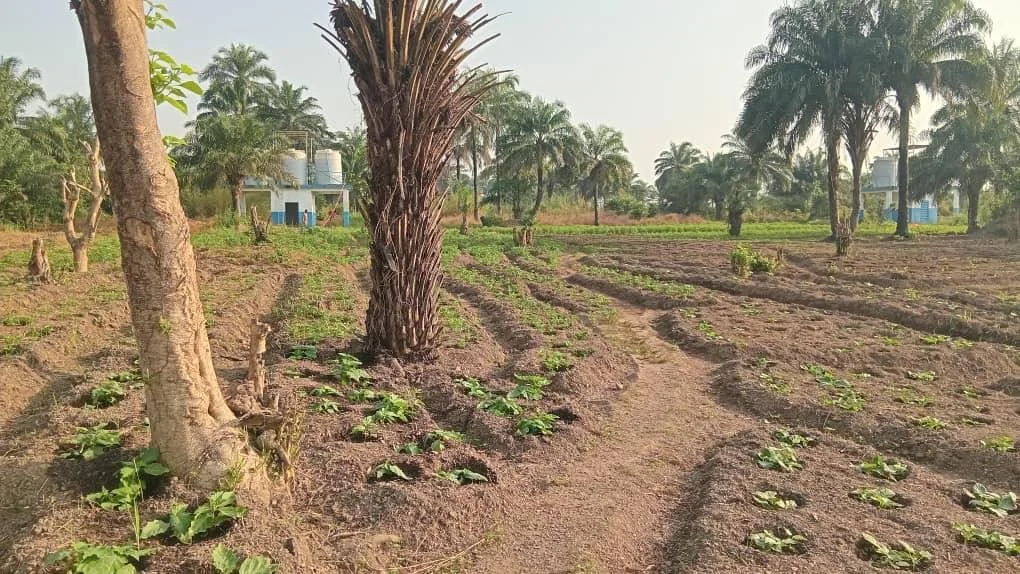
Foindu Village, Northern Sierra Leone Farmland
Hello Impact Family,
Last April, 2025, our team sat together in Sierra Leone, asking what felt like a simple question at first:
“How do we make fresh vegetables part of daily life for mothers and their children
That question lingered longer than we expected, and it eventually pushed us to make a decision we couldn’t postpone — expand the Women’s Agribusiness Collective farm before the year ended.
And just to be clear, the goal wasn’t only to “own a farm.” It was to make nutrition something families could reach for without struggle. Something local. Something normal. Nothing about this work is loud or showy. It’s not imported or borrowed. It’s built with what the community already understands and has.
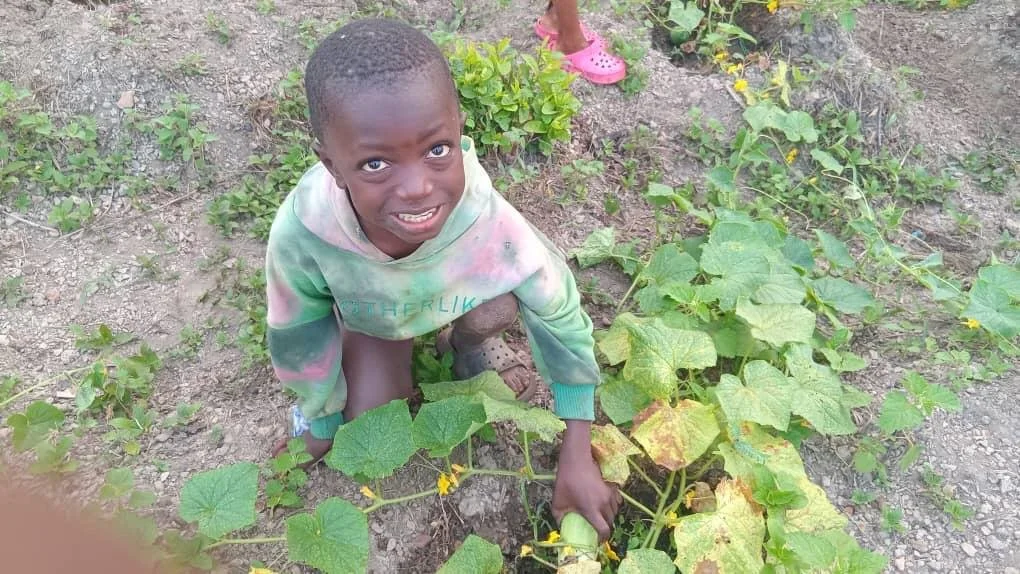
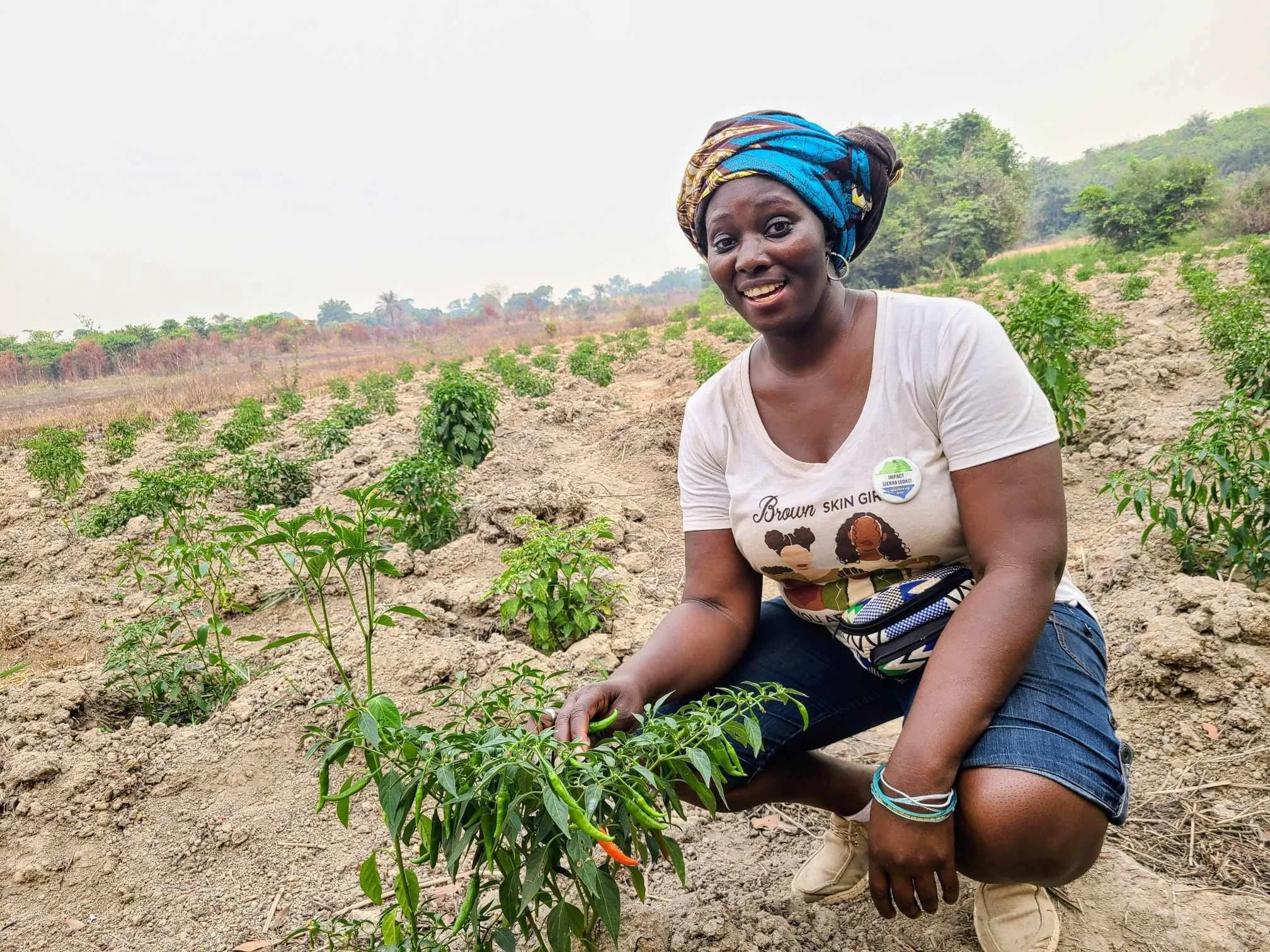
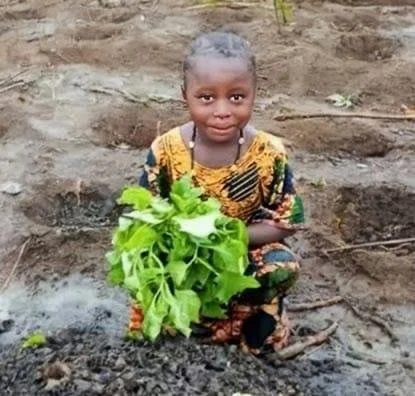
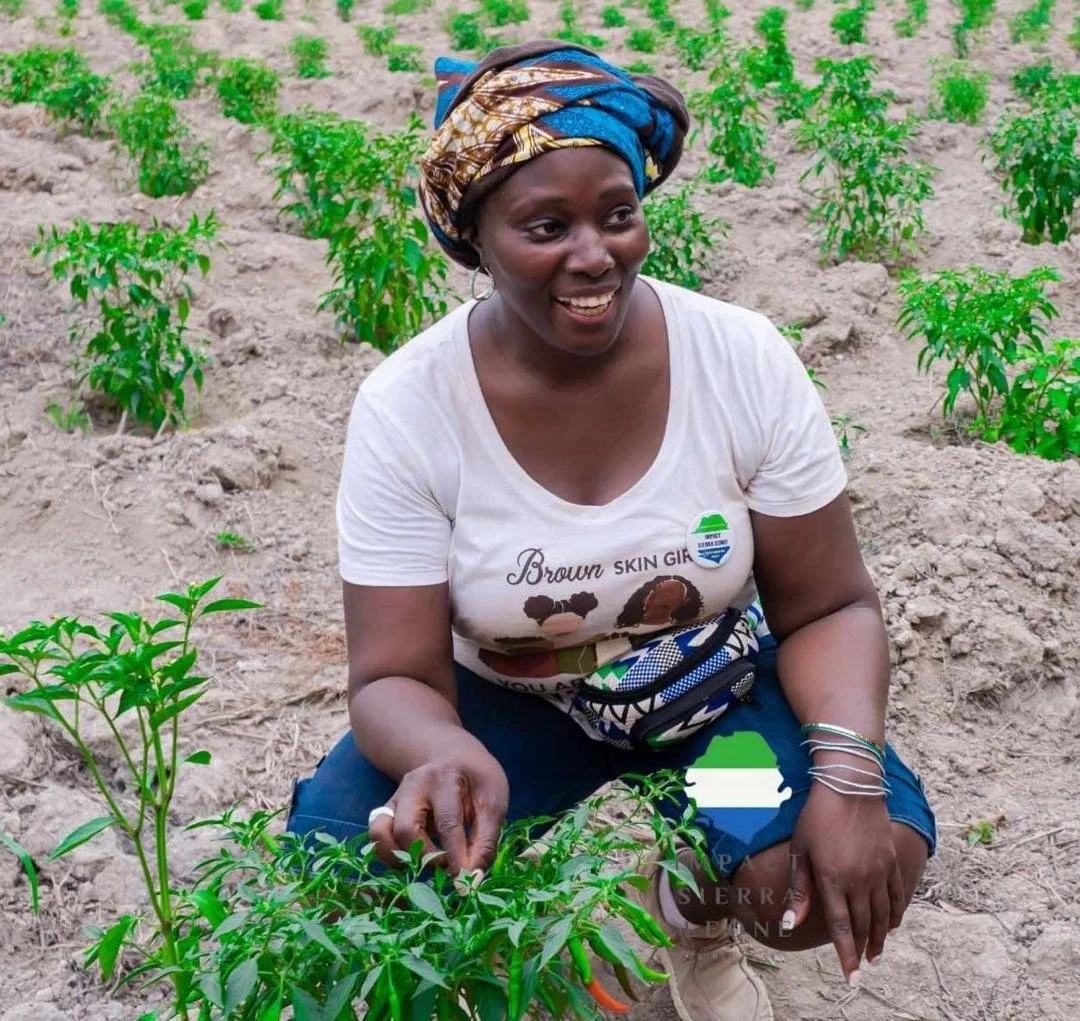
During our Founder & CEO's (Dr. Adama Kalokoh) visit to Sierra Leone last year, she also spent time at The Foindu Community Maternity Health Clinic speaking with the nurses. They care for mothers and children every day, and they do it with limited basic supplies. Hearing them describe the reality was sobering. It made us rethink what wellness could look like if we stopped waiting for external fixes and started using what we had—land, seeds, people, and knowledge. That conversation ended up shaping the wellness initiative that grew out of the Women’s Agribusiness Collective.
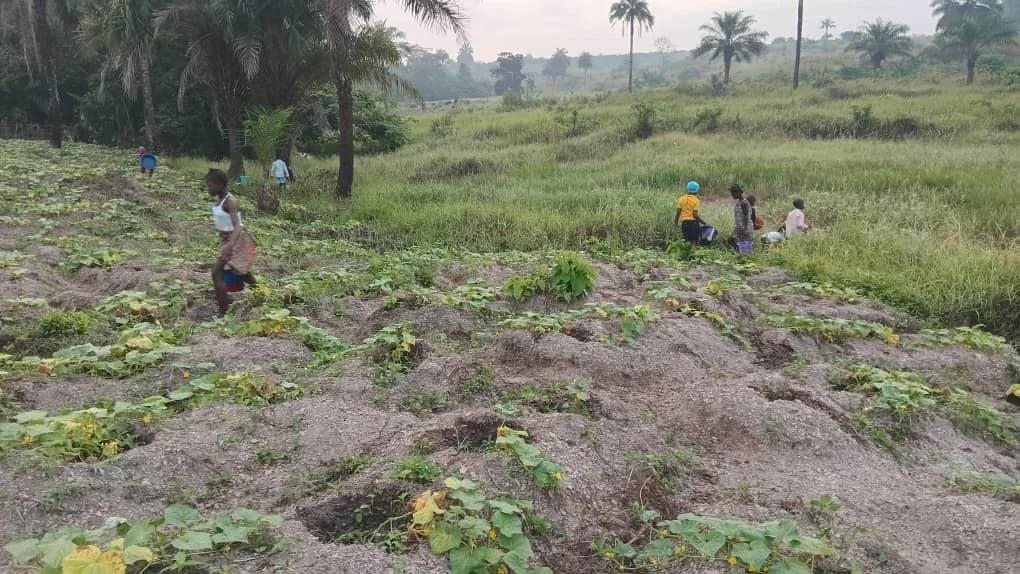
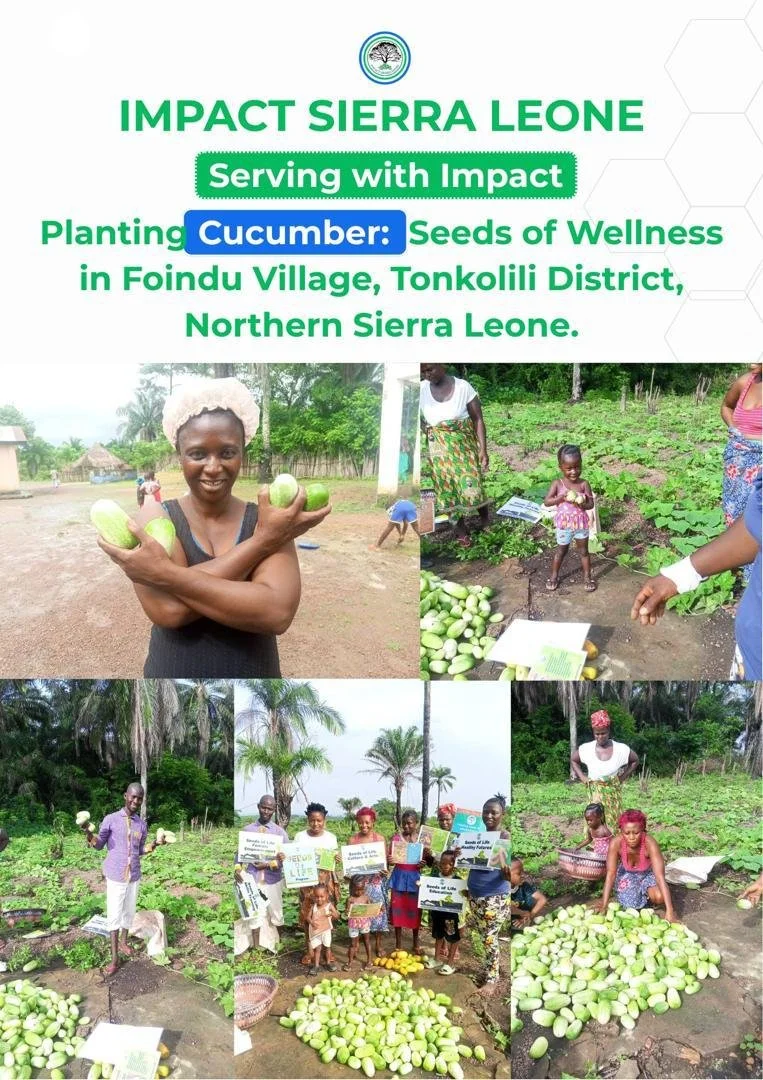
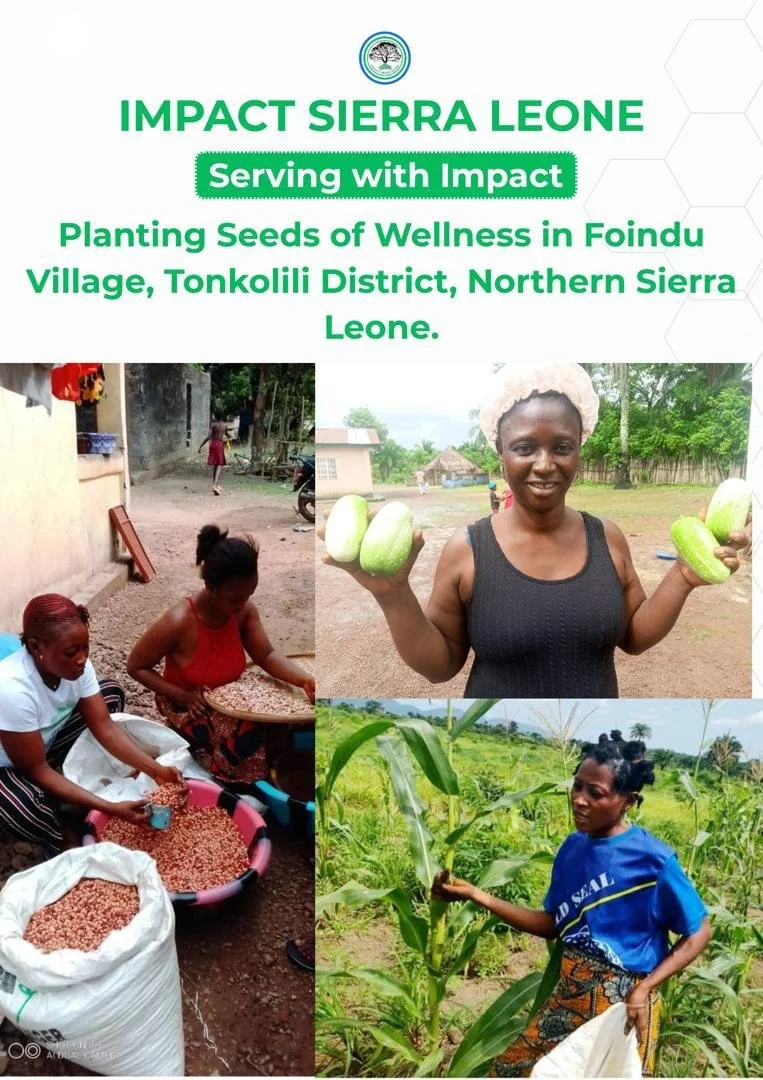
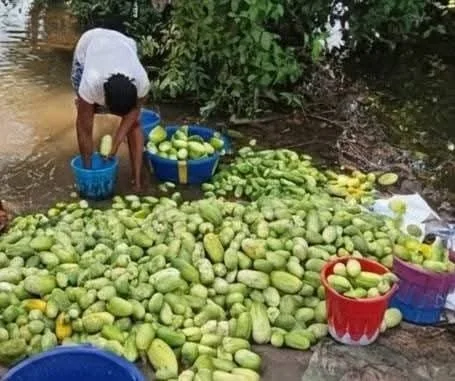
By December 2025, The Foindu Clinic Nurse farm was up. A functional space where vegetables could grow and be harvested close to home. The first harvest honestly surprised all of us: 4,000+ cucumbers, 1,000 + okra. All grown, harvested, and eaten right in the community. And not only that, A portion of each produce was sold, and that revenue helped the community purchase much-needed medical supplies for the clinic. It also supported feeding days in The Foindu Community Maternity Health Clinic, where expectant mothers, lactating mothers, and malnourished children under five years of age could sit down and receive a nourishing meal. For us, it reinforced something important: food isn’t just agriculture — it’s healthcare in another form.
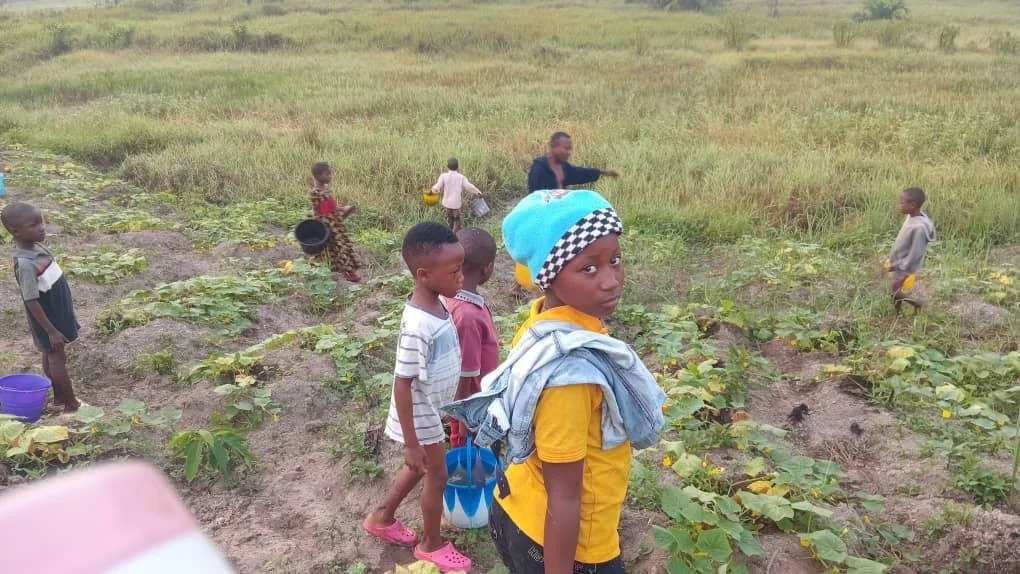
The second farm, our children’s community garden, brought a different kind of energy. The children were around as the farmers planted and tended to the crops. They watched, asked questions, and got that quiet kind of hands-on learning you only get when you’re close enough to see something grow. Seeing their community thrive made an impression. You could tell it mattered to them.
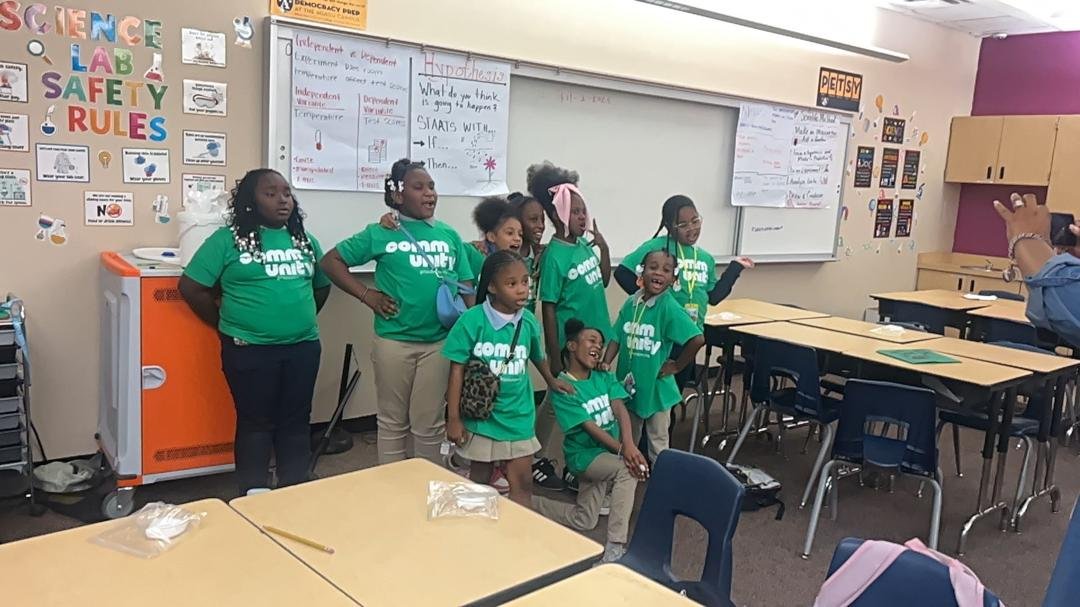
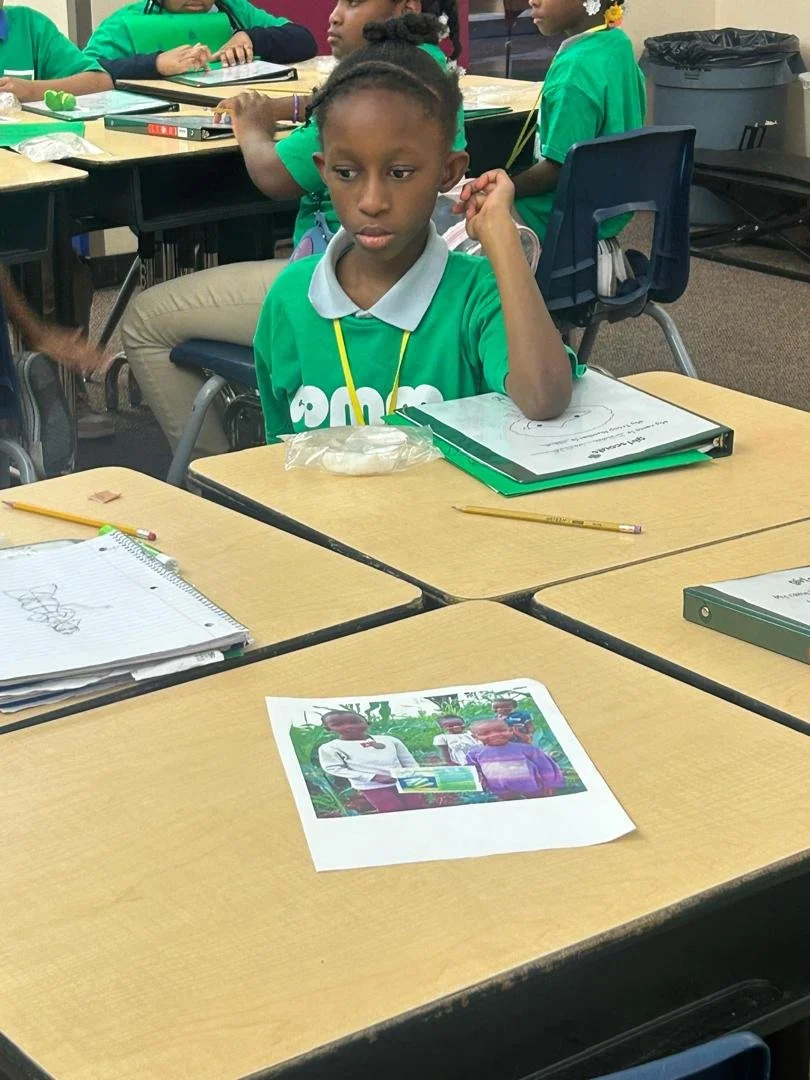
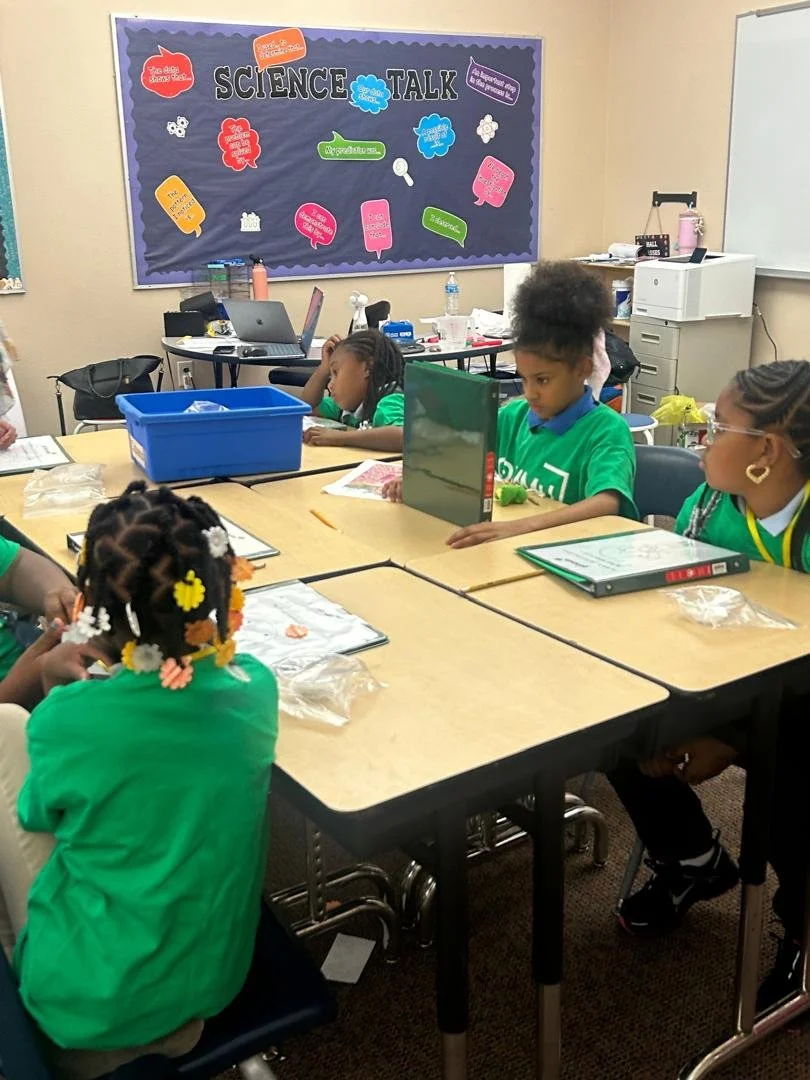
This ties directly into our Seeds of Life Diaspora Initiative, which connects families in Sierra Leone with families in the diaspora through real work and real stories. And honestly, it reminds us that nutrition is universal. Whether you’re in Sierra Leone or the U.S., everyone benefits from the ability to grow, harvest, and eat well.
If you walked in Foindu Village today in 2026, you’d probably notice a few things first:
Children explaining planting cycles
Mothers leaving with vegetables for dinner
Nutrition is happening in real time, not as a theory
We didn’t have to set up speeches, campaigns, or import any models. We had our Foindu community doing what makes sense for them. This year, our focus is simple: grow what works, and do it with the people who live it. Because at the heart of this is a story about sustainable power — using what’s already in our hands to strengthen capacity and reduce hunger.
To everyone who has walked with us so far, thank you for believing that small seeds can change daily life. There’s more growing beneath the soil than vegetables.