
VOICES OF HOPE
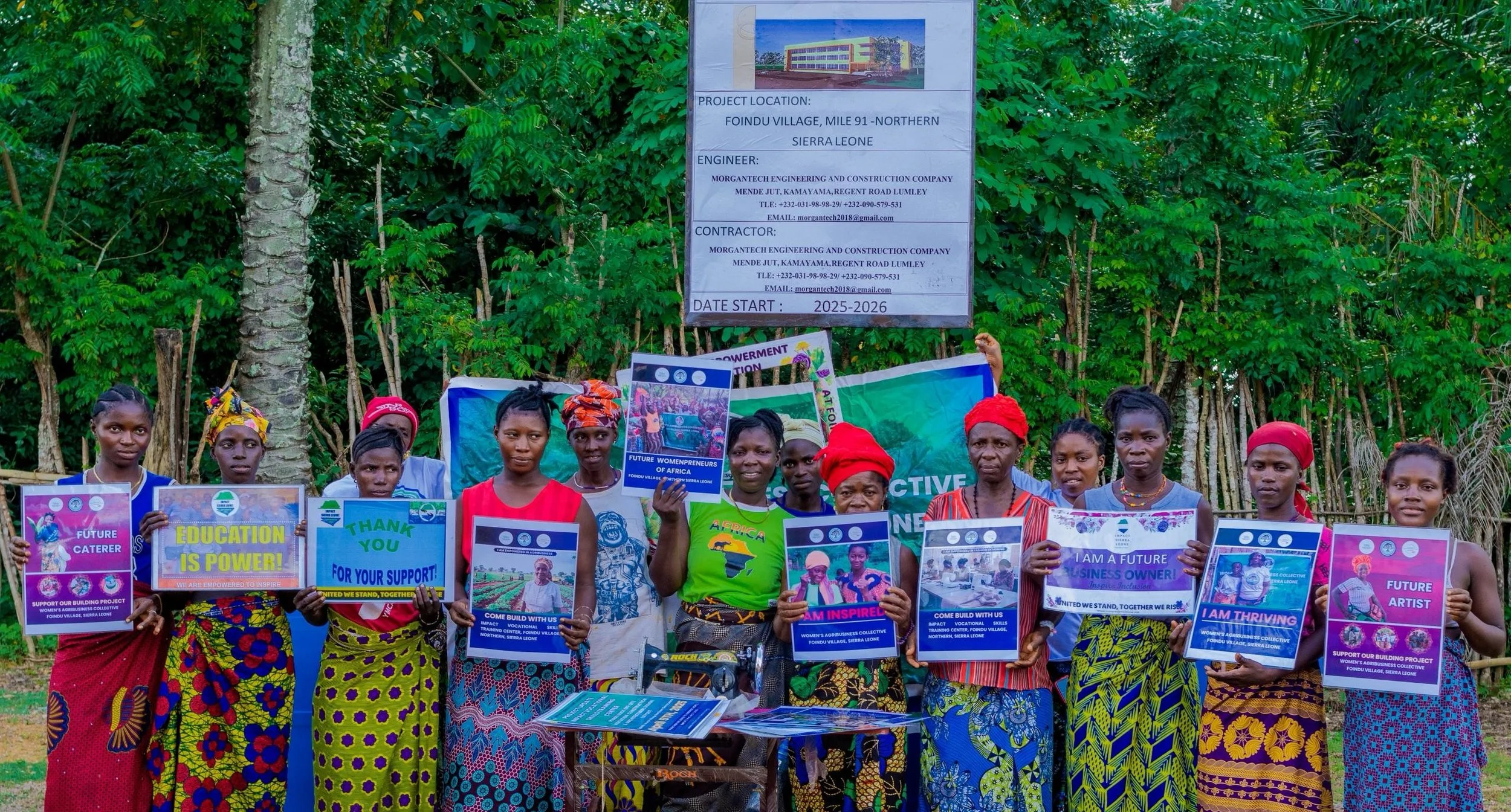
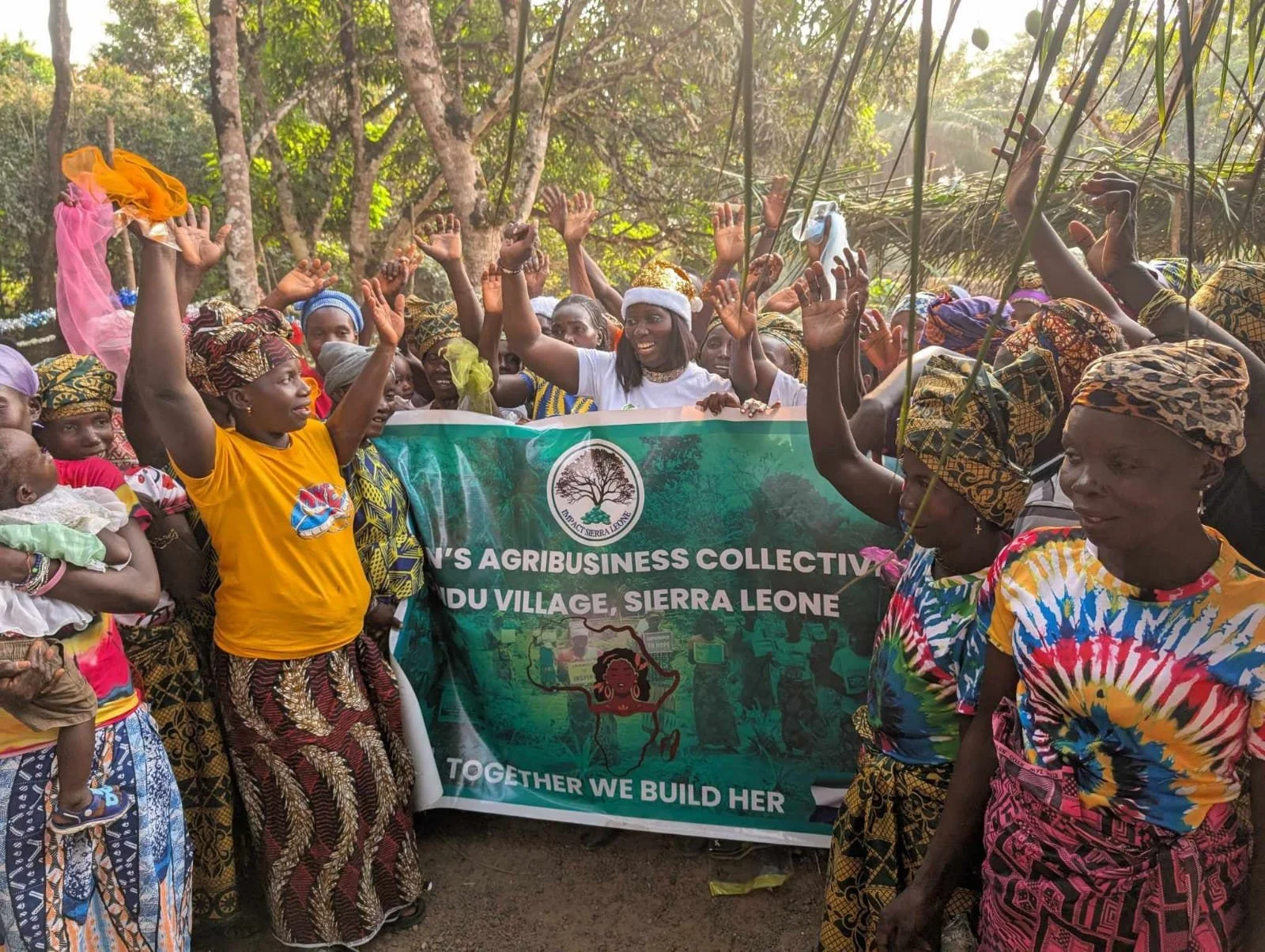
Explore the Voices of the 40 Women Powering the ISL Women’s Agribusiness Collective
Now it’s time to meet the women behind the story. Here, you’ll meet the 40 women of the ISL Women’s Agribusiness Collective one by one — each with her own journey, challenges, needs, and hopes for the future. These are not just stories about agriculture. They are stories of resilience, dignity, and determination. Take a moment to step into their lives and read each story.
Welcome to Voices of Hope.
40 stories.
40 women.
40 reasons to believe transformation is real.
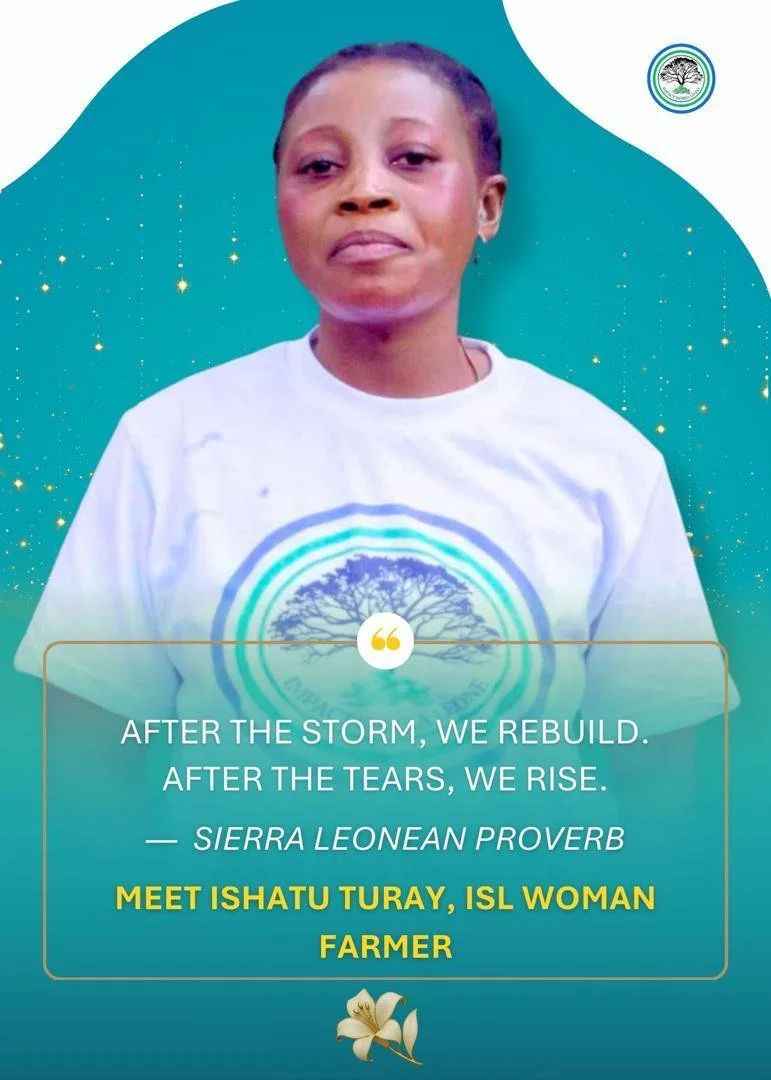
A Voice of Hope. A Voice That Matters. Meet Ishatu Turay, Foindu Woman Farmer.
Some losses change you forever.
Ishatu was a mother of two. Now she holds tighter to her one son of 8 years—the boy who reminds her every day why she keeps moving forward.
Born and raised in Foindu Village, surrounded by her parents and family, Ishatu has always been rooted in her community. She works the land as a farmer. She loves to teach and make groundnut soup and krain krain soup that bring people together. And when you ask her about colors?
“I’m a fan of all the colors, but love orange the most."
That simple statement tells you everything you need to know about Ishatu. Even after loss, she still sees beauty. She still sees possibility. She still believes in more.
And “more” is exactly what she’s reaching for.
Ishatu wants to learn culinary arts and open a catering business someday. Additionally, she wants to enhance her skills in hairdressing.
But because she understands something powerful: When you build capacity in women, you build capacity in entire communities.
She’s watched Impact Sierra Leone (ISL) arrive in Foindu and start transforming what’s possible. She's been a witness to the Seeds of Life program being launched at Foindu in 2021 and its huge impact to the children and families. As a true women changeagent, she has been a key part of all the outreach activities, monthly events, mobilizing of the women and liason with the stakeholders. She’s seen the Vocational Training Center taking shape, brick by brick. And she gets it. She is overjoyed that Cosmetology will be one of the eleven classes taught in the Skills training center.
“I feel happy for us. I’m excited about the building ISL is doing. It will expose us more to learning new skills and becoming more independent—and in turn, add to the economy.” — Ishatu
This is what capacity building looks like in real life equipping her with skills that create income. Skills that create choice. Skills that create a ripple effect—from one woman, to her family, to her village, to the economy itself.
Ishatu sees the bigger picture. She knows that when she learns catering, she’s not just cooking—she’s building a business. When she learns hairdressing, she’s not just styling—she’s creating opportunity.
And when one woman in Foindu becomes more independent? The whole village rises with her. Ishatu, a woman that we met as very quiet has now become one of the most vocal core volunteers. Seeing the voices of the community members amplified over the years just by our powerful engagement has become something we are most proud of at ISL.
This is Ishatu. A mother who’s lost much but still sees all the colors. A woman ready to build her future—and her community’s future - one skill at a time.
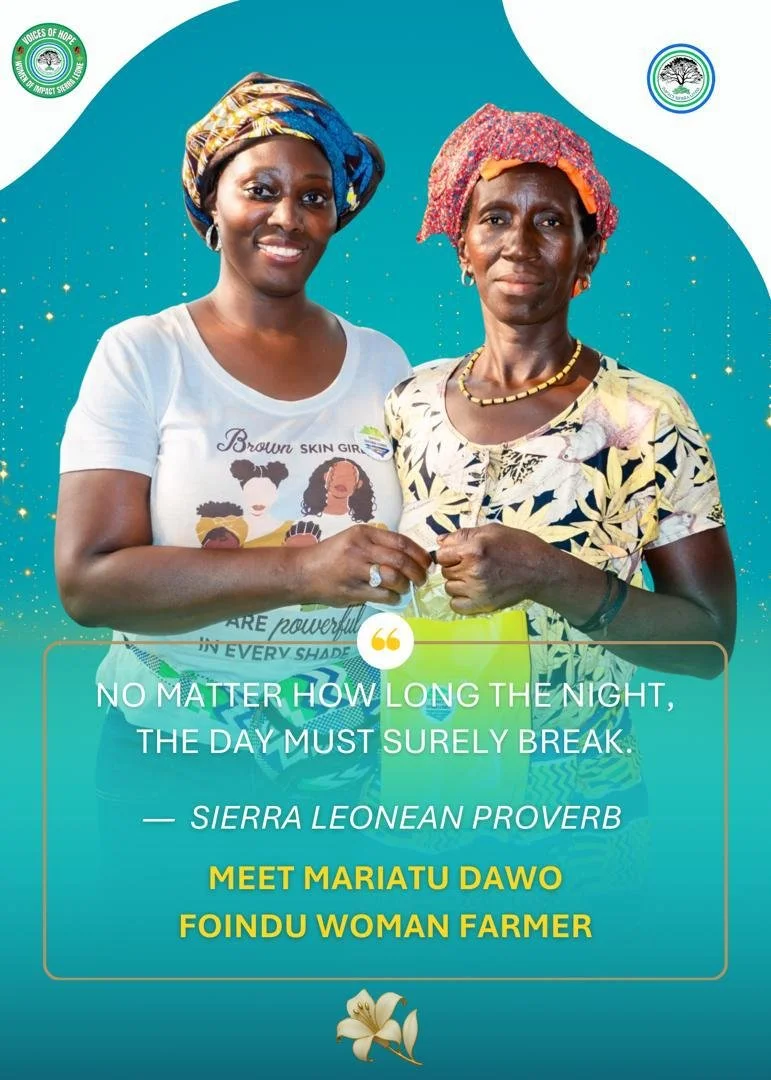
A Voice of Hope. A Voice That Matters. Meet Mariatu Dawo, Foindu Woman Farmer.
Some stories break you open.
This is one of them.
When the rebel war came to Sierra Leone, Mariatu Dawo didn’t have the luxury of falling apart. She had five children—three boys and two girls—who needed her to be strong.
So she ran.
She grabbed her children and fled Foindu Village, escaping to safer haven where they might be safe from the rebels. Where they might survive. Where she could keep her babies alive through the unspeakable.
And she did.
When the war finally ended in 2002, Mariatu came back home. Back to Foindu. Back to the land that had always been hers. But everything had changed.
She was alone now. Single. The sole provider for five children who needed food, shelter, and education.
So Mariatu did what she’s always done—she worked and rebuilt.
She farmed okra, pepper, cassava, cucumber, and potatoes. She planted. She harvested. She sold. Every shilling went to her children’s education. Every ounce of strength went into giving them what she never had.
But here’s the heartbreak she carries:
She tried. She tried so hard to give them a high-quality education. But there was no one to help. All the responsibility was on her.
No partner. No safety net. No backup plan.
Just Mariatu. And her will to survive.
Today, Mariatu is known as Unisa’s mom—one of our dedicated volunteers here in Foindu. And while she’s spent decades pouring into her children, she’s finally ready to pour into herself.
Her dream? To learn how to make soap.
Not just for her family, but to create an income stream that doesn’t depend solely on what the land produces each season. To build something sustainable. To show her children that even after war, even after struggle, even after carrying everything alone—you can still build something new.
When you ask Mariatu about her favorite colors, she’ll tell you: green, white, and red.
The colors of growth. Of peace. Of resilience.
The colors of strength itself.
“All the responsibility was on me. But I never stopped trying.” — Mariatu
This is what strength looks like. This is what a mother’s love can endure. This is why capacity building matters—because women like Mariatu have been building their families alone for decades.
Now? It’s time we help her build her future.
This is Mariatu Dawo. Survivor. Mother. Farmer. And a woman who deserves every opportunity coming her way
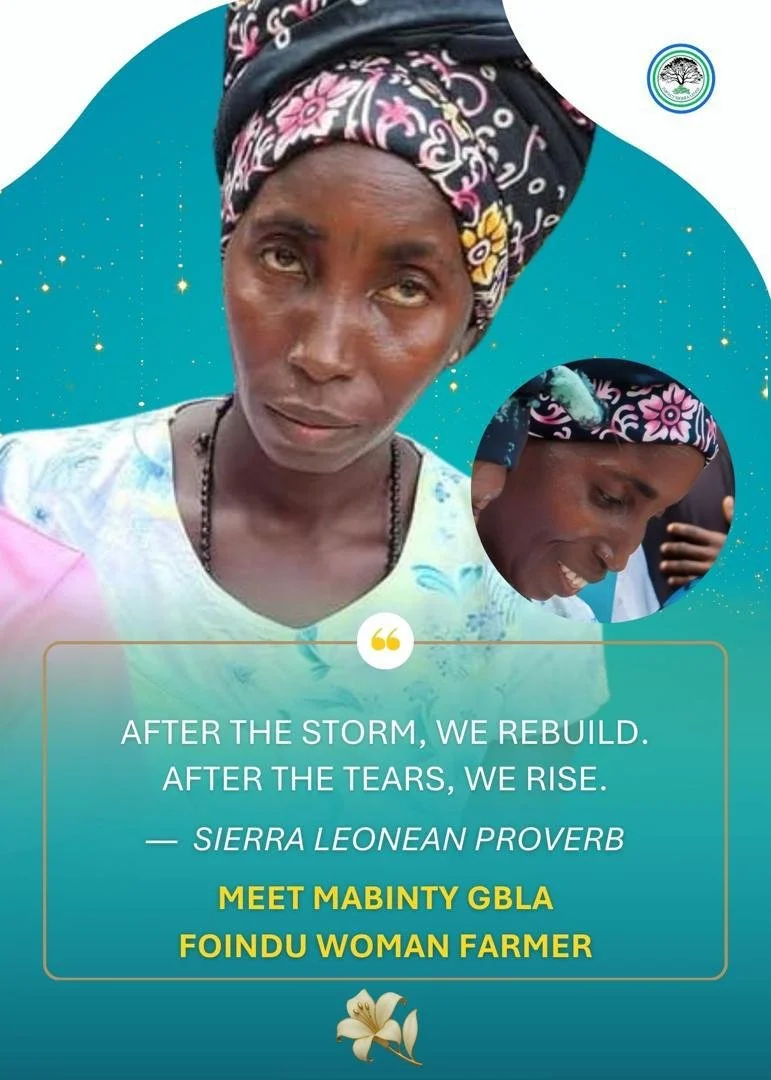
A Voice of Hope. A Voice That Matters. Meet Mabinty Gbla, Foindu Woman Farmer.
Some losses can never be replaced.
Mabinty Gbla was born in Foindu Village. She built a life here. A home here. Filled it with memories, photographs, and the faces of people she loved.
And the civil war came to Sierra Leone
It didn’t just take lives. It took everything.
Her house—destroyed. Her valuables—gone. Those precious photographs that held her history, her family, her before—all of it, erased.
The people she loved? Most of them are gone now, too.
“All my people are dead.”
That’s a weight no one should have to carry. But Mabinty does. Every single day.
Now married and trying to rebuild, Mabinty has done what she’s always done—she works. She farms groundnuts. She shows up. This past Christmas, she competed with the Sabenche team in the cooking competition, pouring her heart into what little she could create.
When you ask Mabinty about her favorite color, she’ll tell you black.
The color of mourning. Of loss. Of everything
the war took that she’ll never get back.
But here’s what war couldn’t destroy: Mabinty’s will to build again.
When Impact Sierra Leone came to Foindu, something shifted. For the first time in years, Mabinty felt something she thought was gone forever—possibility.
She discovered it during our Empowerment workshop when we introduced arts and crafts. Her hands—so used to loss—created something beautiful. And for a moment, she remembered what hope felt like, and there was a smile.
Now, Mabinty is ready for more.
She wants to learn cake-making and gara fabric-making.
Not just for herself, but because she sees what it could mean: income to support her family. A way to help send kids to school. A skill that turns grief into something tangible, something that feeds people, something that rebuilds what war tried to destroy.
“Thank you, ISL, for your help and effort. Praise to the donors and partners. Because of you, our kids can go to school.” — Mabinty
That gratitude—coming from a woman who’s lost almost everything—hits differently, doesn’t it?
Because Mabinty isn’t just learning skills. She’s reclaiming her life. One cake. One piece of gara fabric. One day at a time.
The war took her house. Her photographs.
Her people.
But it didn’t take her hope.
This is Mabinty Gbla. A survivor who’s done mourning what’s gone. A woman ready to create what comes next.
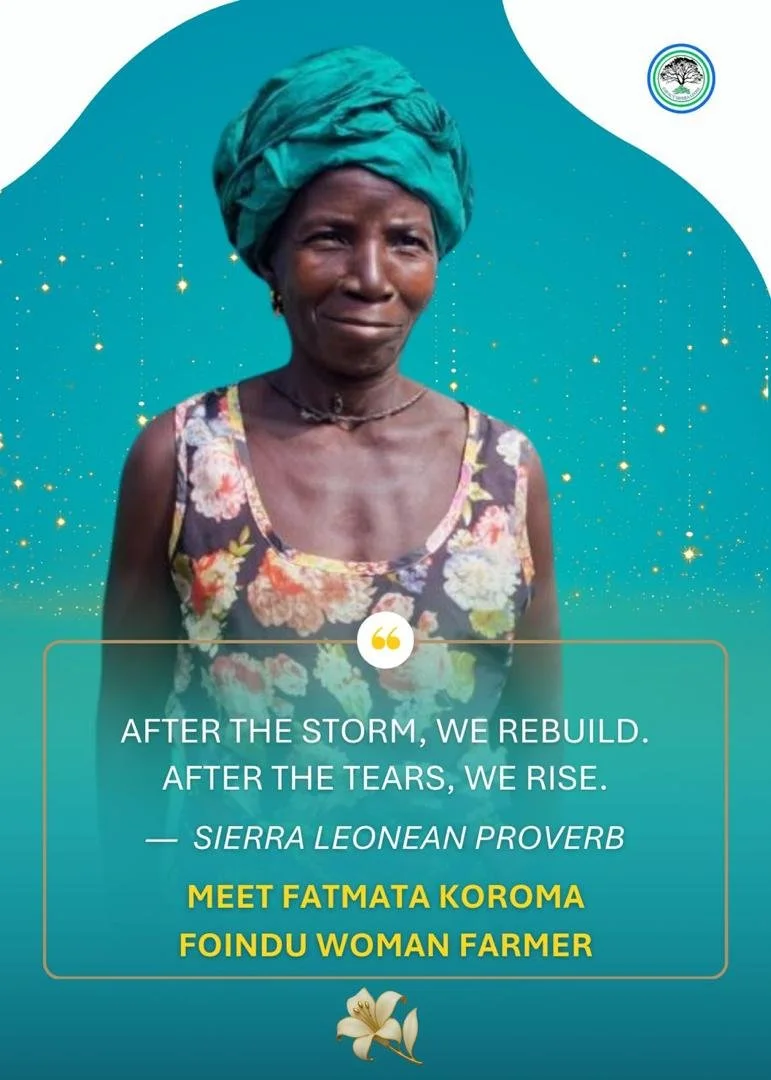
A Voice of Hope. A Voice That Matters. Meet Fatmata Koroma, Foindu Woman Farmer
Imagine bringing children into the world during war. Not in a hospital. Not in peace. But in the chaos of Sierra Leone’s civil war—where homes were being destroyed and anything valuable was being taken or burned.
That was Fatmata Koroma’s reality.
She didn’t give birth in Foindu Village. She came here later, carrying children born in the midst of unspeakable violence. Children who entered a world where their mother’s house was destroyed. Where family heirlooms, photographs, security—everything—was ripped away.
Now married and trying to build what war stole, Fatmata works as a farmer, planting groundnut season after season. Her hands know the soil well. Her heart knows survival even better
This past Christmas, she competed with the Saybanor team in the cooking competition during the annual ISL Christmas Day of Hope event. And if you ask her what she loves to cook most, she’ll tell you cassava—the crop that’s fed her family through the hardest times.
When you ask about her favorite color, she’ll say red.
Bold. Unapologetic. The color of life itself.
And life—real life, not just survival—is exactly what Fatmata is reaching for.
For years, she’s carried the weight of raising children born into trauma. Children who deserved education, opportunity, a childhood that wasn’t defined by loss.
But how do you provide that when you’re starting from nothing?
Then Impact Sierra Leone came.
And everything began to shift.
“ISL has really done me more good. My children can now get the basics of education without worry.” — Fatmata
Read that again. Without worry.
For a mother who gave birth during war, who watched her home destroyed, who’s spent years just trying to keep her family alive—the ability to send her children to school without worry is everything.
But Fatmata isn’t stopping there.
She wants to learn soap-making.and how to design gara fabrics.
Not just to create income, but to support her children’s education long-term. To build something sustainable. To turn survival into stability.
“I’m grateful. And I pray for ISL.” — Fatmata says
That’s not just gratitude. That’s a mother’s prayer for the people who’ve helped her children access something she never had—a fighting chance.
Fatmata gave birth in war. But she’s raising her children in hope.
This is Fatmata Koroma. A mother who survived the unimaginable. A woman who’s building a future her children will never have to escape from.
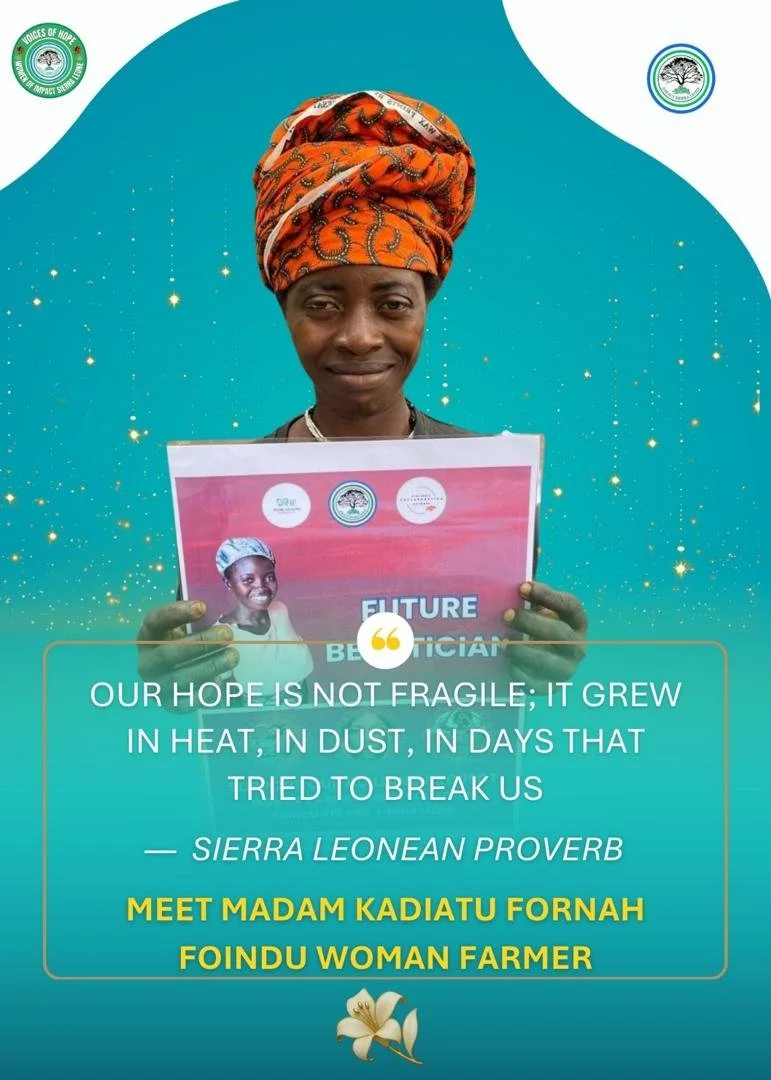
A Voice of Hope. A Voice That Matters. Meet Madam Kadiatu Fornah, Foindu Woman Farmer.
War doesn’t just take lives. It uproots them.
Kadiatu Fornah wasn’t born in Foindu Village. But when the war swept through Sierra Leone, it changed everything—including where she would call home.
Now married with four children, Kadiatu has planted new roots in Foindu. Her parents are gone. The life she knew before is gone. But she’s still here. Still standing and still building. And she’s building with her hands.
As a farmer, Kadiatu works the soil—planting groundnut and pepper, coaxing life from the earth season after season. And in the kitchen? She’s known for her groundnut soup, the kind that won her a spot in the Saybenche Cooking Competition.
When you ask her about her favorite color,
She’ll tell you white. Pure. Clean. A fresh start.
That’s what Kadiatu is reaching for.
For years, she’s carried the weight of providing for her family alone. But something shifted when Impact Sierra Leone arrived in Foindu.
“We’re glad with what ISL is doing. Now our kids can go to school.”
That sentence holds everything. Hope. Relief. Gratitude. The knowledge that her children won’t carry the same burdens she did.
But Kadiatu isn’t just thinking about her kids’ future—she’s thinking about her own.
She wants to learn how to make gara clothing.
The traditional tie-dye fabric of Sierra Leone—bold, vibrant, deeply cultural. She’s waiting for the Vocational Training Center to be completed so she can learn this skill. So she can create something beautiful with her hands. So she can turn fabric into income, tradition into opportunity.
“Thank you to ISL. God bless all our supporters. God’s blessing on ISL and strength to build the vocational school.” — Kadiatu
That’s not just gratitude. That’s a prayer. A mother praying for the tools that will transform her family’s future.
A woman who’s survived war, loss, and displacement—now standing on the edge of something new.
Kadiatu knows what it means to start over. And she’s ready to do it again—this time with support, with skills, with hope.
This is Kadiatu Fornah. A farmer. A mother. A woman who chooses white—because she believes in new beginnings.
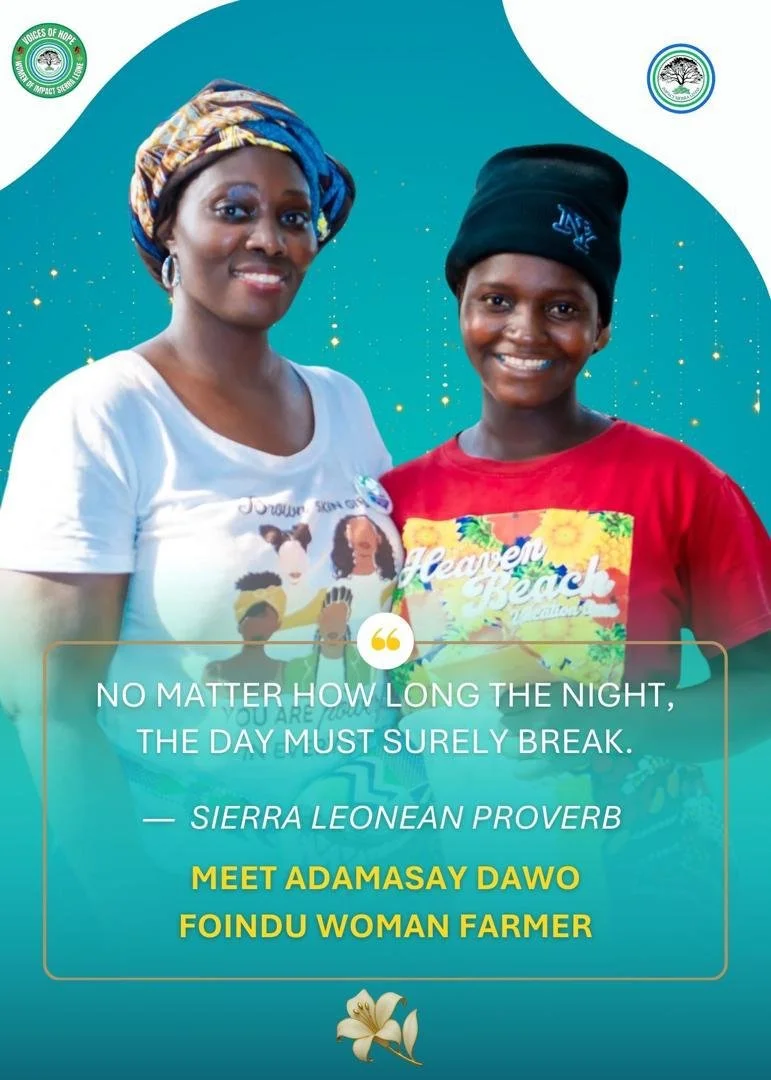
A Voice of Hope. A Voice That Matters. Meet Adamasay Dawo, Foindu Woman Farmer.
There’s a small garden in Foindu Village where okra grows.
Not much. Just enough for soup. Just enough to feed a family. Just enough to remind one woman that even small things, when tended with care, can flourish.
That woman is Adamasay Dawo.
And if you’ve ever been to an event in Foindu, you’ve seen her. She’s the one in the kitchen, hands moving quickly, laughter spilling over as she stirs the pot. She’s the one who volunteers before anyone asks. The one who shows up—not because she has to, but because she believes in what’s happening here.
Adamasay has been part of the ISL Women’s Agribusiness Collective since 2022. Married, with one child she’s determined to give a better life than she had.
You see, Adamasay didn’t finish high school. Life pulled her in a different direction. But she never stopped dreaming.
This past Christmas, she stood in that kitchen again—this time competing in the Women’s Cooking Competition as part of Team 1. Doing what she loves. Feeding people. Building community. One pot of okra soup at a time.
But here’s what Adamasay whispers when she talks about the future:
“I want to learn how to braid hair—really braid it. The kind that makes people feel beautiful.”
“I want to create fashion designs that show the world who we are. Sierra Leonean culture stitched into every piece.”
She’s watching the Vocational Training Center rise in her village. And she’s not just watching—she’s hoping. Hoping that cosmetology class will sharpen her braiding skills. Hoping that fashion design will turn her ideas into reality.
“I’m always excited about what Impact Sierra Leone is doing to strengthen my community.” — Adamasay Dawo
That excitement? That’s not just optimism. That’s a mother imagining her child growing up in a village where opportunity doesn’t pass them by. That’s a woman who tends small gardens bigger. This is Adamasay Dawo. Her voice. Her hope. Her story.
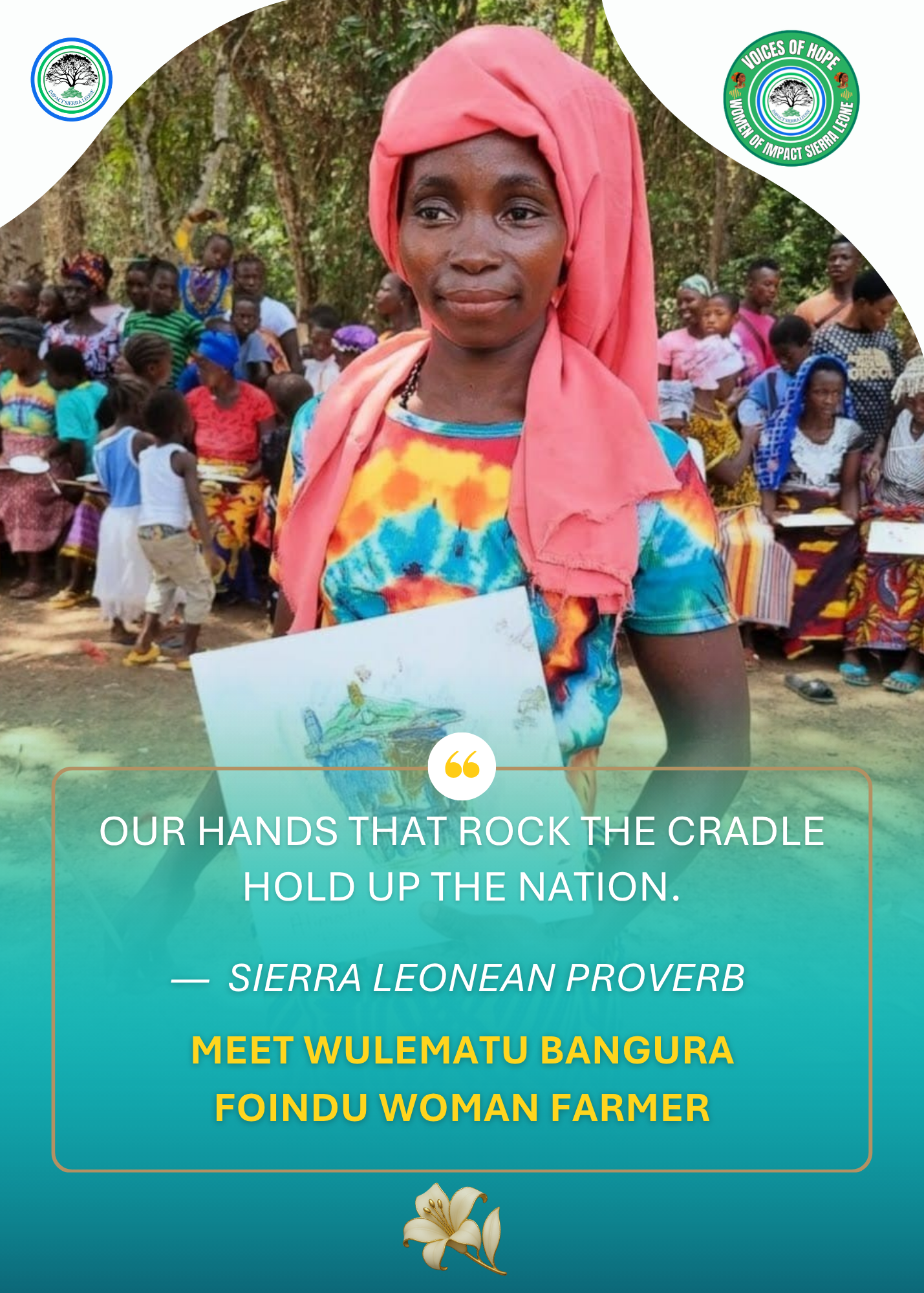
A Voice of Hope. A Voice That Matters. Meet Wulematu Bangura, Foindu Woman Farmer
"Na marriage bring me cam."~ in Krio
That's how Wulematu Bangura tells her story. Marriage brought her to Foindu Village. She wasn't born there. But this is where she's raising her five children. This is where she's rebuilding.
And rebuilding has not been easy.
During the civil war that occurred in Sierra Leone, Wulematu's parents were taken from her—lost to the violence that devastated Sierra Leone. That period was very tough for her family. Not just hard. Tough. The kind of tough that leaves scars you carry forever.
Now, years later, Wulematu works as a farmer—planting cassava, rice, pepper, and potatoes. She competed with the Sabenche team during the annual Impact Sierra Leone Christmas cooking competition, preparing her signature dish—cassava leaves—the kind that feeds families and holds memories.
Wulematu is a reserved and quiet woman. She doesn't say much. But what she does say carries weight.
She's a proud member of the Impact Women's Agribusiness Collective at Foindu Village 🇸🇱
"Thank you for supporting us and giving us hope to
lean on." — Wulematu
Hope to lean on.
Not just hope in theory. But hope that's solid enough to rest against when you're tired. When you've lost your parents. When you're raising five children in a village you came to through marriage, not birth.
And now? Wulematu is ready to build something she can lean on herself.
She wants to learn soap-making at the Vocational Skills Training Center.
"So I can support my family. To take our children far. Na better life they give them." — Wulematu
Na better life.
A better life. Not just survival. Not just getting by. Better. Further. More.
That's what soap-making represents to Wulematu—income that supports her five children. Skills that create stability. A future that goes far beyond where her own story started.
"So many reasons to be hopeful." — Wulematu
From a woman who doesn't say much, those words land differently.
Because Wulematu has seen the worst. She's lost her parents. She's been displaced by war. She's raised five children in a village that wasn't originally hers.
But she's found something here: hope solid enough to lean on.
And soon? She'll have skills to stand on too.
This is Wulematu Bangura. A reserved woman with a loud hope. A mother taking her children far. A woman building a better life—one bar of soap at a time. 🧼✨
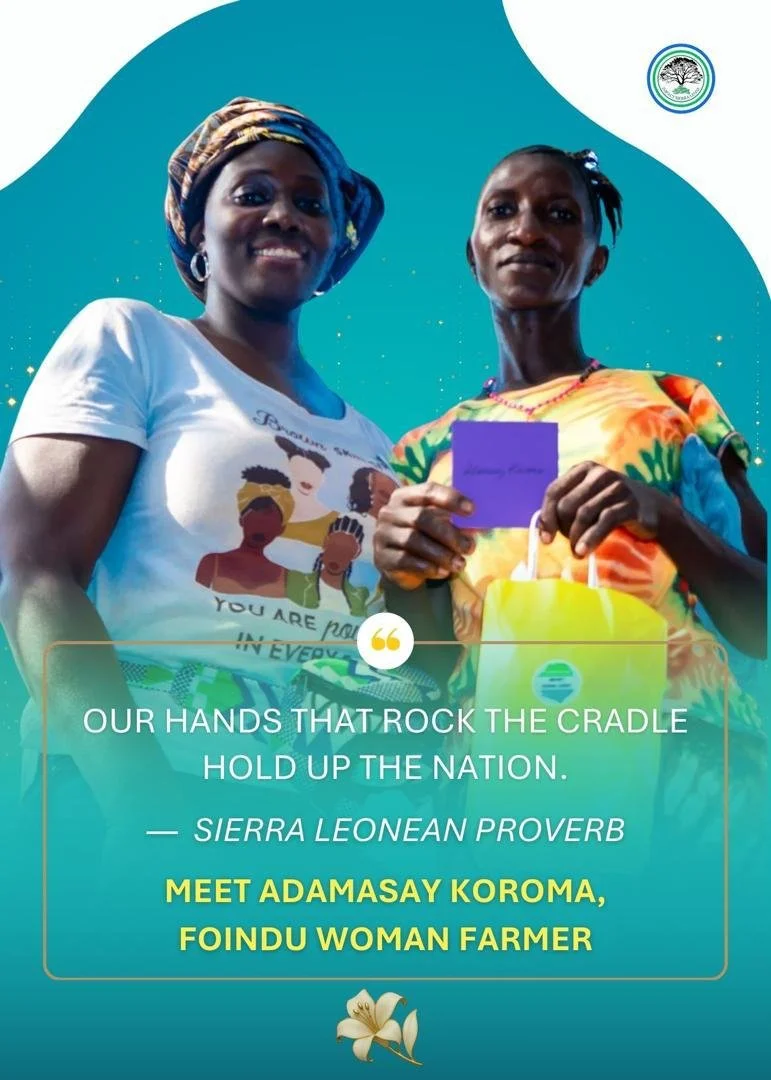
A Voice of Hope. A Voice That Matters. Meet Adamasay Koroma, Foindu Woman Farmer.
Some setbacks last a lifetime.
Adamasay Koroma was born in Foindu Village. She built her life here. Married. Started a family. And then—the Rebel war came.
It didn’t just disrupt her life. It set her back. Years lost. Dreams delayed. A future that had to be rebuilt from scratch.
Now a mother of five, Adamasay has spent years working the land—planting groundnut, cucumber, and potatoes. Feeding her family with her own hands. Making do with what she has.
This past Christmas, she competed with the Upsorbeh team in the cooking competition, standing alongside other women who understand what it means to survive and still show up. They prepared krain krain soup.
When you ask Adamasay about her favorite color, she’ll tell you white.
A blank canvas. A fresh start. A chance to rewrite what war tried to erase.
And that’s exactly what she’s reaching for.
For years, the weight of providing for five children felt impossible. Education costs. School supplies. Uniforms. How do you give your children the future you never had when everything is stacked against you?
Then Impact Sierra Leone arrived.
“I’m happy ISL came to us. They’ve made school-going easy for our kids.”
That relief—that exhale—is everything. When your children can go to school without you breaking under the financial strain, you finally have space to think about yourself.
And Adamasay knows exactly what she wants:
To learn gara-making.
The art of creating Sierra Leone’s iconic tie-dye fabric. Not just for tradition’s sake, but because she sees what it could mean for her family. Income. Independence. A skill that turns cloth into currency.
“I want to learn gara-making because it will help my children.” — Adamasay
That’s a mother’s heart right there. Even when she’s dreaming about her own skills, she’s thinking about them. About what she can build. About what she can leave behind.
The war set her back. But Adamasay Koroma is not staying back.
She’s moving forward—one skill, one harvest, one white canvas at a time.
This is Adamasay Koroma. A mother who refuses to let setbacks have the final word. A woman ready to create her own comeback story.
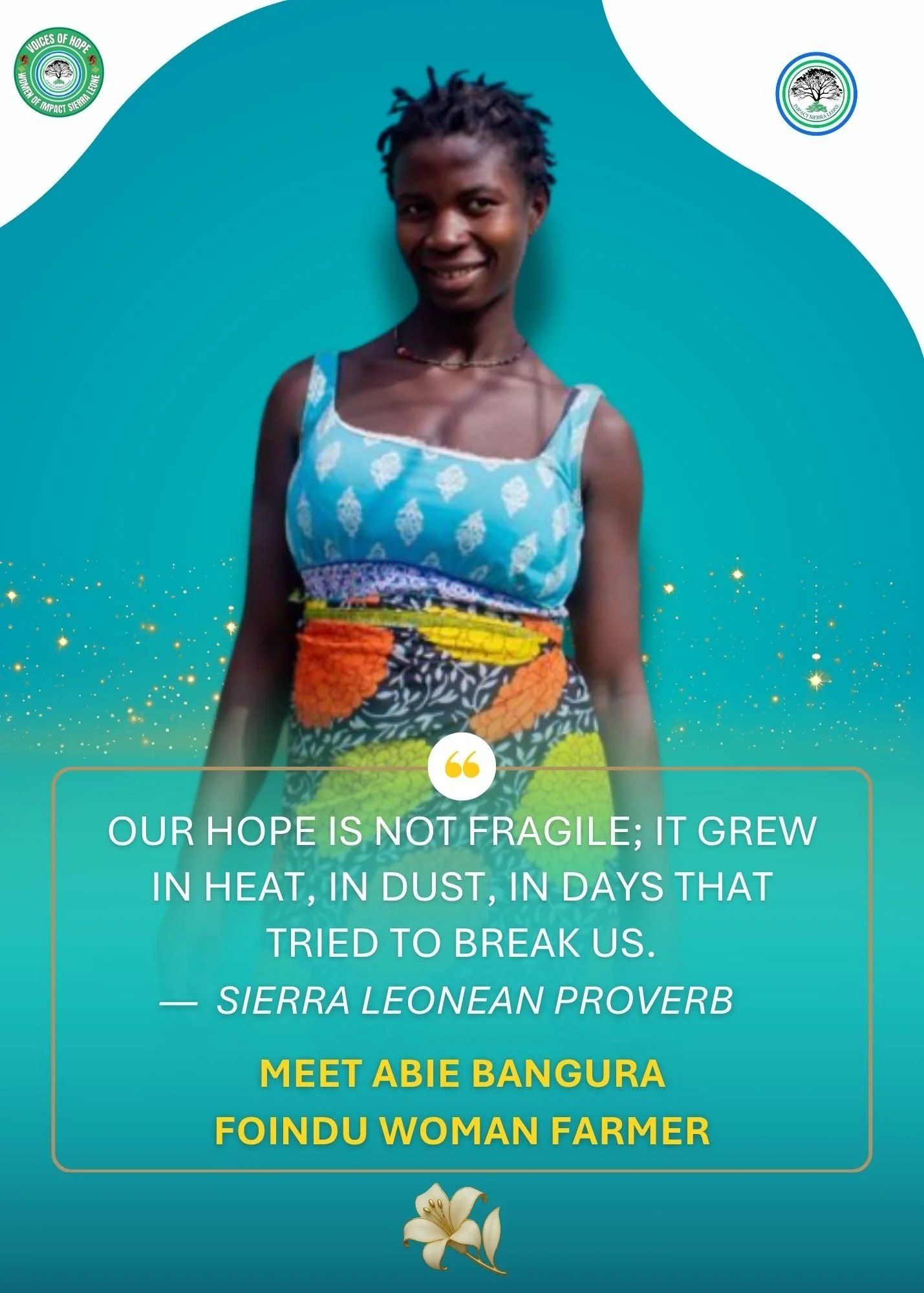
A Voice of Hope. A Voice That Matters. Meet Abie Bangura, Foindu Woman Farmer.
Born and raised in Foindu Village. A mother to one beautiful daughter. A heart that’s been broken, but never defeated.
This is Abie Bangura.
Ask her what she loves, and she’ll tell you two things without hesitation:
Selling cakes. And making her famous groundnut soup.
But here’s what keeps her up at night—the dream she’s held onto through everything:
“I want to learn how to make birthday cakes. Different types of cakes. Real cakes that people celebrate with.”
For years, Abie has sold cakes in her community. Simple ones. The kind she could figure out on her own. But she’s always known there was more. More flavors. More designs. More possibilities.
She just needed someone to teach her.
That’s where the ISL Women’s Agribusiness Collective comes in.
Abie isn’t just a cake seller. She’s a woman rebuilding her life—one recipe at a time. She’s a mother showing her daughter that broken doesn’t mean finished. She’s proof that when you invest in a woman’s skill, you’re investing in her entire family’s future.
And soon?
Abie will walk into our new skills training center and learn exactly what she’s been dreaming of. Birthday cakes. Layered cakes. Cakes that turn ordinary days into celebrations.
Because that’s what hope does, it takes what you love and helps you build a life around it.
This is Abie’s story. This is her hope. And we’re honored to be part of her journey..