
FOINDU VILLAGE AND SIERRA LEONE OVERVIEW
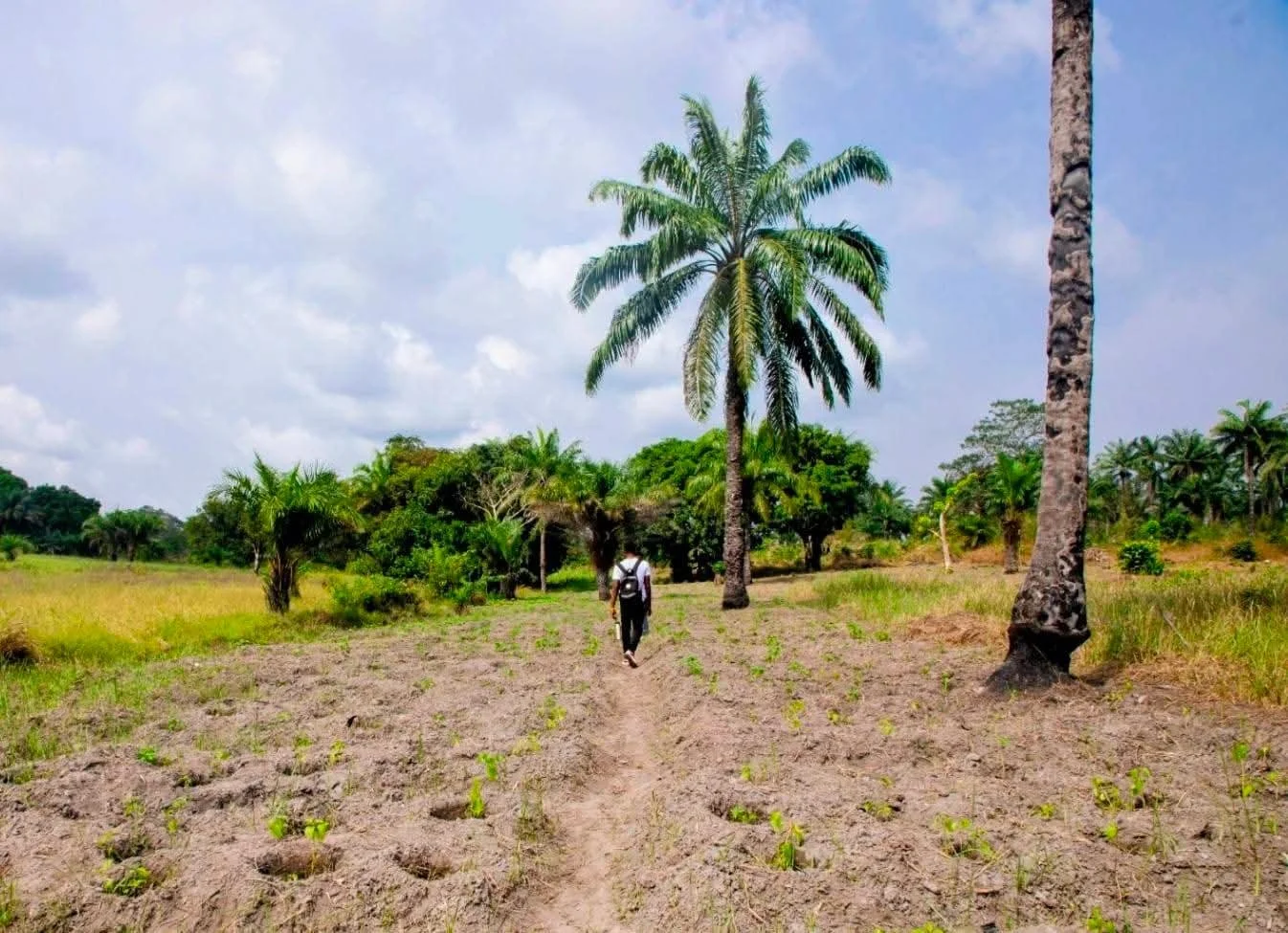
The Natural Landscape of Foindu Village, Northern Sierra Leone
Sierra Leone, West Africa
Sierra Leone is a country of Western Africa, bordered by the Atlantic Ocean in the west, by Guinea in the north and by Liberia in the south. It owes its name to the 15th-century Portuguese explorer Pedro de Sintra, the first European to sight and map Freetown Harbor. The original Portuguese name, Serra Lyoa (“Lion Mountains”), referred to the range of hills that surrounds the harbor. Sierra Leone gained its independence in 1961. The capital city, Freetown, commands one of the world’s largest natural harbors. There are two main ethnic groups which are the Mendes and Temnes. The Krios make up about 10% of the population. The typical climate in Sierra Leone is tropical and boasts of many palm trees around. It is vast in agriculture and best known for cassava, cacao, coffee, ginger, oranges, palm kernels, peanuts, but most importantly rice which is the main food crop. Sierra Leone’s main minerals produced are chrome ore, diamonds, iron ore and futile.
Tonkolilli District, Northern Sierra Leone
Tonkolili District is in the northern provinces of Sierra Leone. It is strategically located in the center of Sierra Leone, and its capital city is Magburaka. The Temne people make up most of the population of Tonkolili District. Yoni is one of eleven chiefdoms within the Tonkolili District. Yonibana is a small town within the center of Yoni Chiefdom and prides itself on its rich history beginning with its name origin “Bana” which means “Big” It contains more than 2.5 thousand people. It is located three miles away from Mile 91 town. Yoni-chiefdom is one of the biggest chiefdoms among the 190 chiefdoms in Sierra Leone. It's surrounded by three (3) chiefdoms: Yoni Chiefdom, Kholifa Mabang Chiefdom and Malal Marah Chiefdom, Yoni is the most superior among them and has a police division located at mile 91 town, 3 miles away from the Head quarter town Magburaka. The most popular language spoken by the people of Yonibana is called Kathemne. To say, “Good Afternoon”, it would be~ “M' Parie”; To say, “Good Morning”, it would be ~N 'dirai.
Yoni Chiefdom
Yoni is an amalgamation of two chiefdoms with strong historical connections. The amalgamation was completed in 1956. Lower Yoni traces its origins to a Temne warrior named Shebora Kondor, who drove the Mende from the area and established himself as leader of a large chiefdom. Later, in the late 18th century, a slave raider known as Fullah Mansa Gbabereh moved into the area, and some of Kondor's territory was ceded to him to create Yoni Mabanta. Fearing being captured as slaves, this caused a flow of many Temne into what is known today as Lower and Upper Banta chiefdoms are. The chief of Yoni Mabanta would carry the title, Fullah Mansa, for the next hundred years. Chiefdom records from 1899 indicate that a regent chief in Mabanta named Kapra Kinti, briefly became chief of the whole Yoni territory in 1898, after Bai Shebora, formerly called Saisi Banna, of upper Yoni was arrested by the government and imprisoned for participation in the hut tax war. Bai Shebora returned, however, in 1899 to rule over his section. Fullah Mansa who ruled before Kinti, had himself been banished to the Gold Coast from 1884-1888 for opposition to the government. He remained loyal to the government after and was killed fighting with them during the hut tax rebellion at Gbangeama in May of 1898. Following the de-amalgamation of amalgamated chiefdoms in 2017, Yoni was split into 'Yoni Mamela' (Upper) and 'Yoni Mabanta (Lower). Foindu Village
ABOUT THE VILLAGE OF FOINDU
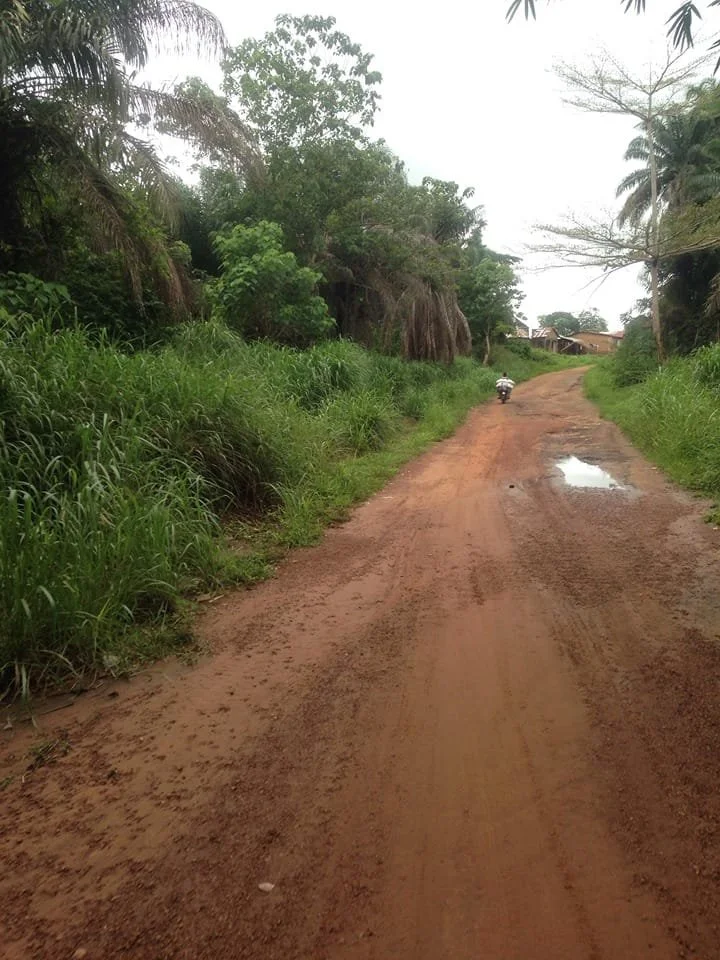
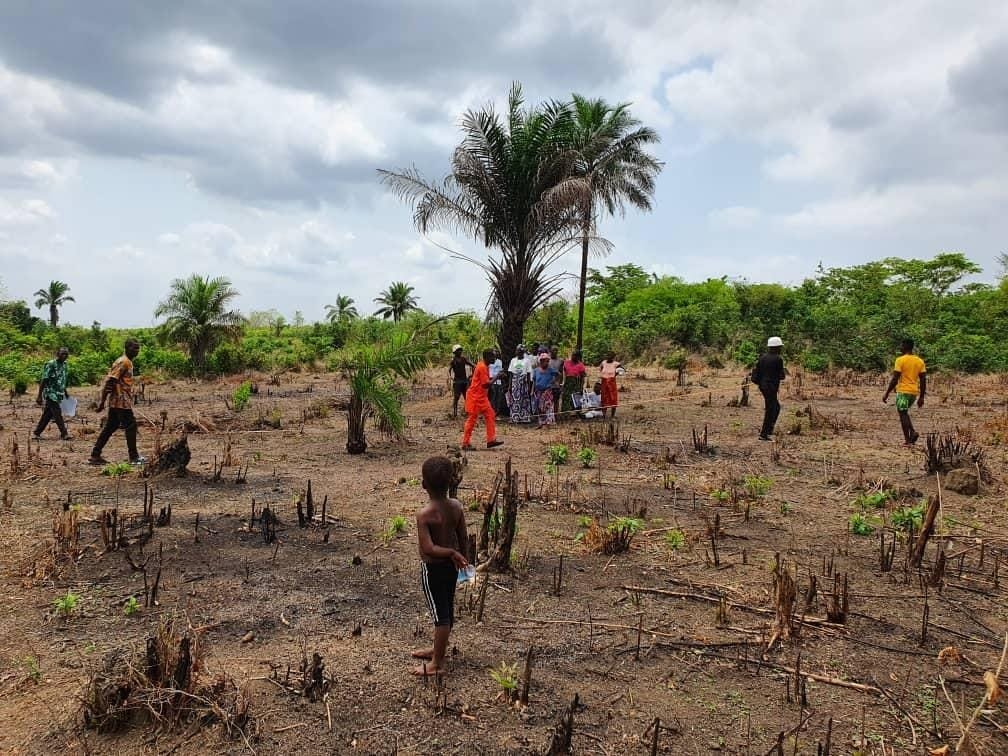
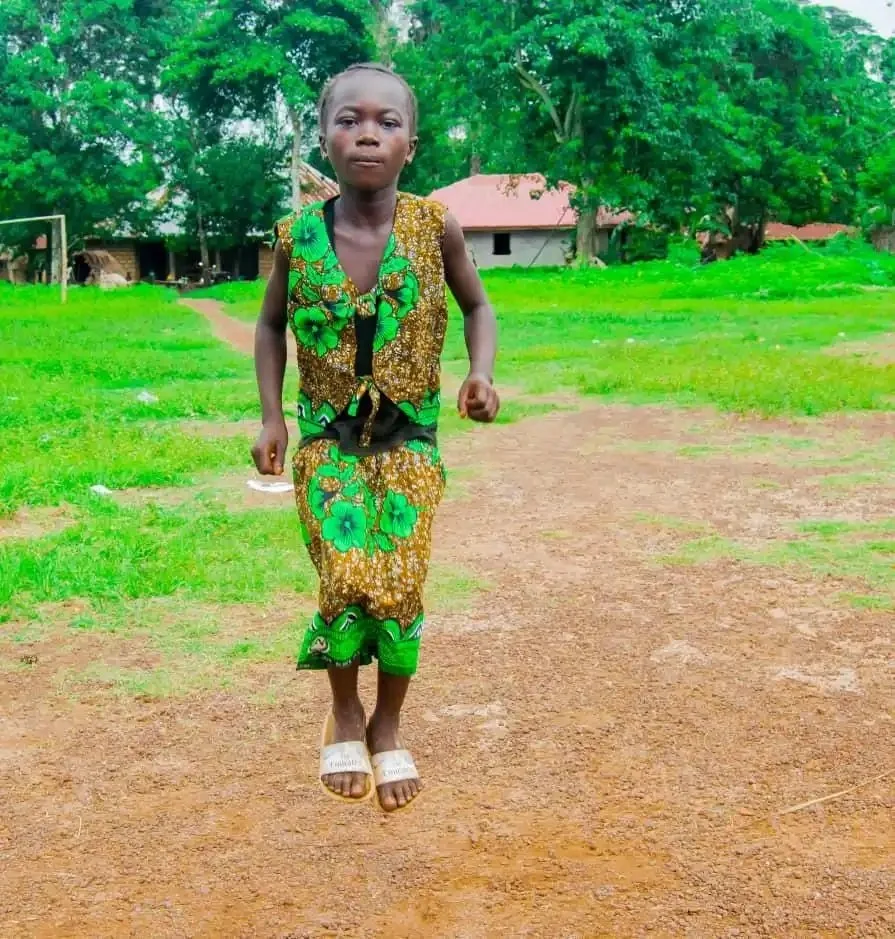
Foindu is a small community, one of eight sections of the Yoni Mamela Chiefdom (Upper Yoni) within the Tonkolili District. Foindu is situated in Northwest Sierra Leone. The community is one of the eight sections of the landscape and is mainly savannah grassland with river tributaries that empty into the Taia River in Taiama Town in Moyamba District. It has arable land which is mainly used for agriculture and infrastructure activities. Apart from the Miroc agro-company, the rest of the available land is used for subsistence farming. Foindu is a rural community in Sierra Leone whose story is deeply connected to resilience, agriculture, family, and rebuilding. Located in the Northern Province, Foindu is home to an estimated 650 people, with approximately half of the population under the age of 18. Agriculture remains central to life in the community, with families relying heavily on farming and trading to feed their households and generate income. (Impact Sierra Leone) Their staple foods are rice, cassava, beans, and green vegetables. The community is primarily dominated by the Temne tribe.
Foindu carries the scars of Sierra Leone’s 11-year civil war, which lasted from 1991 to 2002. The conflict devastated the village. According to Impact Sierra Leone, Foindu was largely destroyed during the war, with nearly every home completely burned. Families were displaced, homes and possessions were lost, and the community was left to rebuild after the conflict ended. In 2002, an NGO came to their aid with a resettlement package that included small structures to start life; most of the community still lives in these structures. (Impact Sierra Leone)
The effects of the war extended far beyond the destruction of buildings. For many residents, the conflict meant separation from loved ones, the loss of parents and relatives, displacement, interrupted livelihoods, and years of rebuilding. Stories collected by Impact Sierra Leone describe women who fled the village with their children to escape rebel violence, only to return after the war to homes and lives that had been fundamentally changed. Others lost parents, siblings, spouses, homes, personal belongings, and treasured family memories. (Impact Sierra Leone)Yet Foindu’s story is not only one of loss. It is also a story of people who returned, planted again, raised families and rebuilt their lives from what remained. Women have become an important force in the community’s recovery.
Through the Impact Sierra Leone Women’s Agribusiness Collective, established in 2022, women farmers have worked together to strengthen their agricultural livelihoods, cultivate crops such as groundnuts, cassava, pepper and vegetables, and create better opportunities for their families. (Impact Sierra Leone). Despite the community’s resilience, significant challenges remain. Access to necessities such as clean water, electricity, healthcare, roads, markets and other essential services remains limited, making everyday life considerably more difficult for families. ISL describes necessities that many people consider ordinary as luxuries in Foindu. (Impact Sierra Leone). Today, Foindu stands at a different point in its story.
The community is not simply recovering from what happened during the war; it is working toward a future in which its children can have greater opportunities, and its families can build sustainable livelihoods. Through education, agriculture, women’s empowerment and vocational skills development, Impact Sierra Leone is working alongside the people of Foindu to transform resilience into opportunity. Foindu’s history is therefore one of profound loss—but also of survival, dignity and hope. The homes that were destroyed did not destroy the people. The war disrupted their lives, but it did not erase their determination to rebuild.
FOINDU COMMUNITY NEEDS ASSESSMENT AND DEVELOPMENT PRIORITIES
Agricultural Challenges and Livelihood Opportunities
A lack of tools and resources prevents farmers from yielding the much-needed profit required to make a decent living. Meeting with the farmers was essential for Impact Sierra Leone (ISL) to gain an understanding of their challenges on the ground. Key issues identified include lack of seeds, lack of chemicals for pest and disease control, lack of financial resources, and lack of proper farming tools.
Our efforts will contribute to achieving several of the United Nations Sustainable Development Goals (SDGs), including:
No Poverty
Zero Hunger
Good Health and Well-Being
Quality Education
Gender Equality
Sustainable Cities and Communities
Community Needs Assessment
Impact Sierra Leone conducted a needs assessment with a focus group in Foindu and revealed that the Government of Sierra Leone (GoSL), through various Ministries, Departments and Agencies (MDAs), has implemented development activities in Foindu and its catchment communities.
Some of the MDAs and institutions involved include the Ministry of Health and Sanitation, Ministry of Works, and the Food and Agriculture Organization (FAO) through the Ministry of Agriculture. Impact Sierra Leone has also supported the communities with development interventions.
These interventions have included the construction of a Community Health Clinic (CHC), maintenance of the 5km off-main-highway road to the river, construction of a rice processing center, and livelihood support for women's economic empowerment.
Apart from the Community Health Center, which remains visible and operational in the community, the other interventions are no longer in operation or being used for their initial intended purposes.
At Foindu, the Community Health Center (CHC), primary school, and three hand-dug wells are the only major social amenities available to the community.
During several discussions, stakeholders mentioned that the school is not functioning adequately due to limited support from the central government. Since the inception of the school, the community has been mobilizing resources to pay the three unqualified teachers attached to the school.
It was also observed during the transect work that most of the available latrines are family latrines, with approximately three to five households sharing one latrine.
There is a river at the back of the community that connects the northern part of Sierra Leone to communities in the southern part of Sierra Leone. However, there is no bridge or ferry to ease movement across the river. The community currently relies on locally made canoes to navigate to other communities.
In terms of infrastructure, residents reported that reaching neighboring settlements is always challenging, particularly during the rainy season when rivers and streams flood and obstruct the movement of motorcycles and vehicles.
Holistically, community residents mentioned that Impact Sierra Leone is the only organization that has capacitated them with knowledge on climate change and alternative livelihoods through the Seeds of Life Program.
Economic Activities
Despite the opportunities and natural resources available, the communities remain poor. Daily earnings range from Le 3 as the lowest, mostly among women farmers, to Le 45 as the highest, mostly among bike riders.
Agriculture is the predominant livelihood activity undertaken by residents, followed by petty trading among women and bike riding, particularly among men and youth.
The primary occupation of inhabitants in these communities is farming, on which many depend solely to meet their immediate needs and cover school fees for their children.
Roughly 80% of parents are illiterate and characterized by abject poverty, making it difficult for them to send their children to school. Students spend much of their time after school working on farms to help pay for their schooling. This makes it difficult for many students to spend quality time on their academics.
These children are at increased risk of dropping out of school early because the cost of education is high compared with the income of poor families. These costs include school fees, books, pens, and uniforms, many of which have to be paid at the beginning of the school year.
Me Against Poverty believes that every educated person is not rich, but educated people are more likely to find a way out of poverty. Therefore, providing educational assistance in the form of scholarships can help communities thrive and break the cycle of poverty.
Connecting the Threads of Culture
Several members of Impact Sierra Leone are proud natives and descendants of Northern Sierra Leone, particularly Yonibana. We are connecting the threads of impact and our culture to make a positive difference in this community, using our voice, influence, and connections for the greater good.
Our organization is excited about the great ways we are partnering with Foindu and its leaders to help restore the community to its glory days. Collaborating with other groups around the world within the Diaspora and other African nations will continue being one of our primary goals.
Foindu has so much potential, with vast farmlands that can feed the masses and reduce poverty. By providing the necessary resources, we can empower the youth, farmers, women, children, and students of YSS.
The strength of Foindu is its people, and hand in hand, we will make an impact and achieve many of the United Nations Sustainable Development Goals.
Agriculture, Food Security and Climate Change
Rice and palm trees are the main food crops farmed in Foindu and its catchment communities. However, inhabitants also grow groundnuts, cassava, okra, pepper, and potatoes with support from ISL's Seeds of Life Program, established in Foindu in 2021.
Many Foindu residents agreed that poor road systems, increased transportation costs, limited production of locally grown foods, and higher food prices within the community have contributed to increased food scarcity.
Seventy percent of participants acknowledged that local agricultural methods or crop yields have changed because of climate change. Participants also stated that seasonal variations and inflation have significantly worsened the poverty situation in the community.
These challenges have also contributed to high school dropout rates and idleness, especially among youth in the community.
According to the assessment, the crops most affected by climate change are pepper and cassava because seasonal variations cause crop devastation and decreased output.
Livestock production has also been affected because pastures have been drastically reduced, forcing animals such as goats to travel farther in search of food. This has created additional challenges, as some goats become lost when flooding of waterways prevents them from returning to their communities.
It has been suggested that, to increase food production and reduce the effects of climate change, community members should avoid upland agriculture and make greater use of the swamps.
Community members also recommended that farmers begin preparing their farms in early January rather than waiting until March, which was traditionally considered the month for burning farms.
The most prevalent method of subsistence in the villages is a combination of upland rice farming, in which residents grow rice and other food crops such as yams, pepper, beans, and other crops on the same farm.
However, because the production of these crops is heavily dependent on weather patterns, climate change has had a significant negative impact on agricultural yields in local communities.
According to 80% of participants, climate change has had a significant impact on their livelihood activities. Changing weather patterns are making it increasingly difficult for community members to fully engage in certain agricultural activities, including growing pepper and garden eggs on a large scale.
Community Efforts to Address Climate Change
Most community members are planting trees and avoiding tree cutting inside and around their communities as part of their own efforts to help mitigate the consequences of climate change.
Other livelihood activities that community members would like to pursue include driving, carpentry, masonry, and tailoring. However, they are prevented from pursuing these opportunities by a lack of resources and skills.
Access to Finance and Resource Mobilization
There is currently no resource mobilization scheme in the community.
Most petty traders in Foindu reported that they acquire loans from nearby communities. The interest charged on these loans ranges from 5% to 30%, with repayment periods ranging from two to four months depending on the amount borrowed.
The lack of accessible and affordable financial resources limits the ability of community members, particularly women and small-scale entrepreneurs, to expand their businesses and improve their livelihoods.
Recommended Interventions
Based on the findings of the assessment, it is evident that the following interventions should be included in subsequent interventions:
Include capacity-building training for volunteers and community members.
Include co-funding in all interventions, allowing communities to contribute their own resources toward development activities.
Include resource-mobilization activities within all interventions so communities can generate resources independently.
Support communities with resource-mobilization boxes, including Village Savings and Loan Association (VSLA) boxes, to improve access to finance.
Include gender-analysis training as an integral part of activities to improve gender-inclusive implementation and strengthen unity among staff and community members irrespective of gender or sex.
Organize capacity-building training on natural-resource mobilization to help community members identify, understand, and maximize their various natural resources.
Support the community with the rehabilitation of its school and hospital.
Support the construction of community barracks.
Organize power-dynamics training to improve communication among team members.
Moving Forward
The findings demonstrate that Foindu possesses significant agricultural, human, and natural-resource potential. However, poverty, limited access to resources, climate change, inadequate infrastructure, limited access to finance, and insufficient educational and livelihood opportunities continue to prevent the community from fully realizing this potential.
Impact Sierra Leone's work in Foindu therefore presents an opportunity to build on the foundation already established through the Seeds of Life Program and other community interventions.
By investing in farmers, women, youth, children, education, climate-smart agriculture, financial inclusion, skills development, infrastructure, and community-led resource mobilization, ISL and its partners can help create sustainable pathways out of poverty.
The strength of Foindu is its people. With the right resources, skills, partnerships, and community ownership, the people of Foindu can transform their available resources into sustainable livelihoods and a stronger future for generations to come.